Benefits of UV Ozone Pool Systems: 2026 Guide
Table of Contents
- How UV and Ozone Pool Systems Work Together
- Key Benefits of UV Ozone Pool Systems
- Reducing Chlorine Usage in Pools Without Sacrificing Safety
- Cost of Installing a Pool Ozone Generator: What to Expect
- UV Ozone vs Saltwater Pool Systems: Which Fits Your Backyard?
- Installation, Sizing, and Maintenance Requirements
- Common Drawbacks and Troubleshooting UV Ozone Systems
- Frequently Asked Questions
Last Updated: September 18, 2026
How UV and Ozone Pool Systems Work Together
The benefits of UV ozone pool systems start with a simple division of labor: ozone oxidizes, UV disinfects, and together they cut the load your chlorine has to carry. According to the Centers for Disease Control and Prevention guidance on recreational water illnesses, chlorine-resistant pathogens like Cryptosporidium and Giardia survive standard sanitizer levels for days. That gap is exactly where supplemental sanitation earns its place.
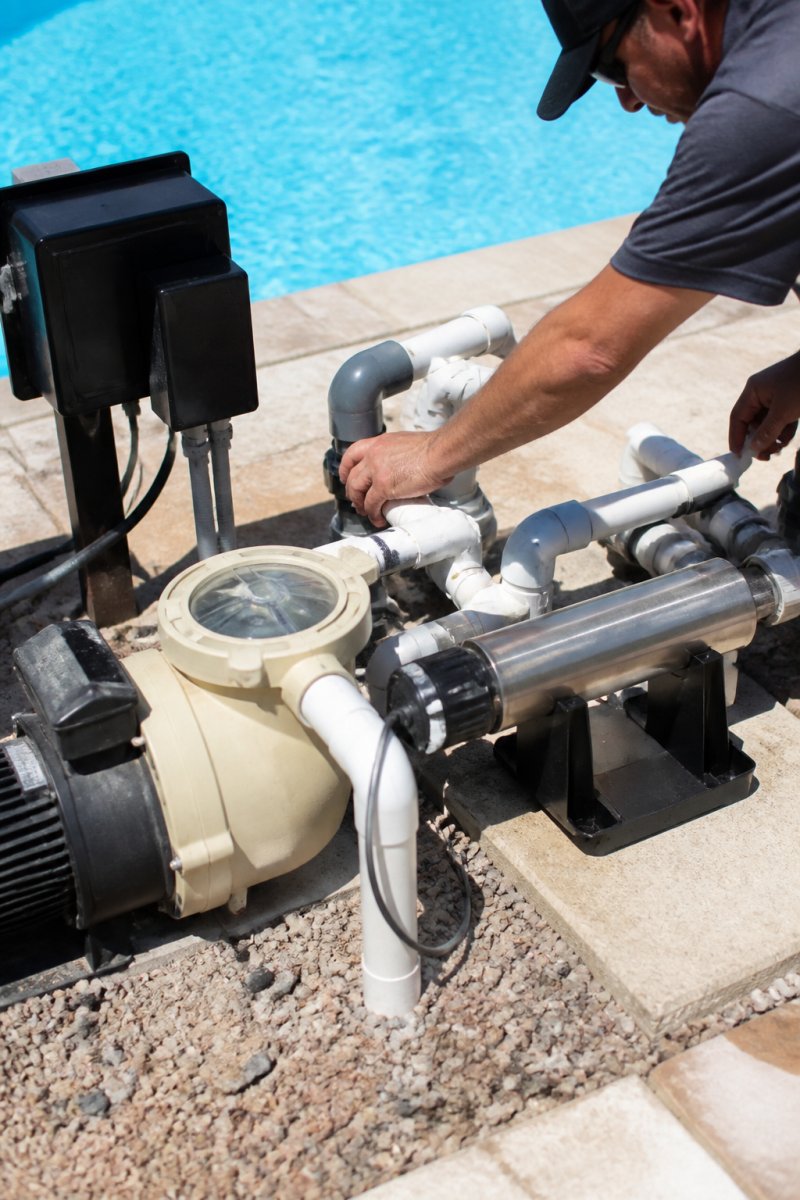
UV-C Light and Corona Discharge in Pool Sanitation
Ultraviolet germicidal irradiation uses UV-C light to damage the DNA of waterborne bacteria, viruses, and other micro-organisms as water passes through a chamber. Corona discharge generates ozone by splitting oxygen molecules, which then recombine into a powerful oxidizer that destroys chloramines and organic waste. One disinfects; the other oxidizes. Run both and the water stays cleaner with less chemical demand.
Key Benefits of UV Ozone Pool Systems
The headline benefit is pathogen eradication that chlorine alone cannot deliver, paired with measurably better water clarity. A common mistake is assuming a supplemental sanitizer replaces chlorine. It does not. It reduces how much free chlorine you need to maintain a safe residual, which is a different and more useful claim.
| Benefit | What It Does | Why It Matters |
|---|---|---|
| Pathogen control | Inactivates chlorine-resistant pathogens | Covers the gaps chlorine misses |
| Chloramine reduction | Breaks down combined chlorine | Less odor and eye irritation |
| Lower chemical demand | Reduces free chlorine needed | Fewer chemicals, less handling |
| Better clarity | Oxidizes organic waste | Visible improvement in water quality |
| System longevity | Less corrosive byproduct load | Equipment and surfaces last longer |
Effectiveness Against Chlorine-Resistant Pathogens
Ozone is the stronger oxidizer here. It attacks Cryptosporidium and Giardia, the two pathogens behind most reported recreational water illnesses, far more effectively than chlorine at normal residual levels. UV-C adds a second layer by neutralizing organisms as they pass the chamber. The Environmental Protection Agency's information on recreational water and disinfection notes that no single disinfectant handles every pathogen, which is precisely why pairing technologies outperforms relying on one.
Water Clarity and Chloramine Reduction
Chloramines, the "combined chlorine" that builds up as chlorine reacts with sweat, sunscreen, and urine, are what cause the sharp smell and red eyes people blame on "too much chlorine." Ozone destroys them on contact. In practice, this means the pool smells like water, not bleach, and you stop chasing shock treatments after every busy weekend.
Reducing Chlorine Usage in Pools Without Sacrificing Safety
You can cut chlorine usage in pools meaningfully without dropping below a safe free chlorine residual. The system handles the oxidation load, so your chlorine works as a residual sanitizer rather than doing double duty. Many pool owners find they can run a lower, more stable free chlorine level while keeping combined chlorine near zero. That balance is the real goal: not less chlorine for its own sake, but less chlorine doing work that ozone should be doing.
Cost of Installing a Pool Ozone Generator: What to Expect
The cost of installing a pool ozone generator is not a single number, it is the sum of four separate line items, and separating them is the only way to compare quotes honestly. Those line items are: the ozone generator itself, the injection hardware (venturi or injector manifold plus check valve and tubing), the UV chamber if you are pairing technologies, and labor to plumb and wire the assembly at the equipment pad.
What Actually Drives the Number
- Ozone output rating (grams per hour). Output scales with pool volume and bather load. A spa or small plunge pool needs a fraction of the output a 30,000-gallon pool with heavy use requires, and the generator is usually the largest single line item.
- UV chamber inclusion. Ozone-only installs cost less than ozone-plus-UV because you are adding a second vessel, a second power draw, and a second consumable (the bulb).
- Injection method. A venturi injector that uses the return-line pressure differential is the common residential approach. Mazzei-style venturis and injector manifolds vary in cost, and some plumbing configurations require a booster pump to achieve adequate suction.
- Plumbing and electrical access. If the equipment pad already has a spare return leg, a GFCI-protected outlet, and room for the vessels, labor is modest. If a technician has to cut into a buried line or run a new circuit, labor climbs.
- Existing pump and filter compatibility. Variable-speed pumps and cartridge or DE filters generally integrate cleanly. Older single-speed pumps with low return pressure can force a booster pump add-on.
Operating Cost and ROI Framing
For current pricing on a system sized to your pool's volume and turnover rate, request a quote rather than working from a generic online figure, sizing errors, not hardware markups, are what make these systems fail to pay back.
UV Ozone vs Saltwater Pool Systems: Which Fits Your Backyard?
UV ozone vs saltwater pool systems comes down to what you want the system to do. A salt water pool generates chlorine on site from salt, so it still sanitizes with chlorine, just made differently. A UV ozone setup is a supplemental sanitizer that reduces chlorine demand rather than replacing it. If your goal is softer water feel, salt wins.
Installation, Sizing, and Maintenance Requirements
Installation is straightforward for a qualified technician but unforgiving of shortcuts. Ozone must be injected into a return line with enough contact time and turbulence for the gas to dissolve, and UV chambers need flow rates within the manufacturer's rated window, too fast and the water passes through before it receives an adequate UV dose. Maintenance is modest but scheduled: replace the UV bulb on time, keep the injector assembly clear, and inspect the venturi for clogs.
Sizing Guidelines for Residential Pools
Sizing is where most residential installs go wrong, and it is arithmetic you can do before you call anyone. Two numbers govern the decision: pool volume in gallons and turnover rate in hours.
Troubleshooting Common Failure Points
These systems fail quietly, which is why a diagnostic habit matters more than a repair budget.
- UV bulb output fade. UV-C output degrades over the bulb's life even while the lamp still glows visibly. Replace on the manufacturer's schedule, typically annually, rather than waiting for a burnout.
- Clogged injector. Mineral scale or debris blocks ozone delivery. If chlorine demand creeps up with no other change, inspect the injector and its check valve first.
- Venturi suction loss. Insufficient pressure differential prevents ozone from being drawn into the return line. Confirm the venturi is installed on the pressure side with the correct orientation and that the pump is producing adequate flow.
- High pH reducing ozone effectiveness. Ozone's oxidizing power drops as pH rises. If the system is running but chloramines persist, test pH before assuming the hardware failed.
- Biofilm in lines. Neglected plumbing harbors micro-organisms that reintroduce demand downstream of the treatment chamber. A line flush during seasonal opening helps.
Integration with Smart Pool Automation
Modern controllers and app-based automation platforms can schedule the UV chamber and ozone generator alongside the pump, and some support flow-sensor interlocks that shut the generator off when there is no water moving, protecting the equipment and preventing ozone from venting. If you are planning automation, confirm the generator accepts a dry-contact or relay input from your controller, and confirm the UV chamber's power supply can be switched independently of the pump so you can run the chamber only during circulation.
Common Drawbacks and Troubleshooting UV Ozone Systems
The drawbacks are real and worth naming. Ozone systems add a component that needs maintenance, UV bulbs degrade silently and lose effectiveness before they burn out, and injector assemblies clog if water chemistry drifts. Common failure points:
- Bulb replacement missed: UV output fades over time even while the light still glows
- Clogged injector: mineral scale or debris blocks ozone delivery
- Venturi issues: insufficient suction prevents proper ozone injection
- Poor water chemistry balance: high pH reduces ozone effectiveness
- Biofilm in lines: neglected plumbing harbors micro-organisms
Frequently Asked Questions
Are UV ozone pool systems worth the investment?
They can be worth it if you want cleaner water with less chlorine. UV ozone systems destroy chlorine-resistant pathogens like cryptosporidium and giardia that cause recreational water illnesses. They also break down chloramines, which cause red eyes and strong odors. The upfront cost of installing a pool ozone generator varies by pool size and system, so request a quote from a qualified technician. Many pool owners find the reduced chemical demand and improved water clarity justify the expense over time.
What are the disadvantages of UV ozone pool systems?
UV ozone systems are supplemental sanitizers, not replacements for chlorine. You still need a residual sanitizer to protect water between treatments. Ozone generators require periodic maintenance, including bulb replacement and injector assembly checks. UV bulbs lose effectiveness over time and need replacement roughly every 12 to 18 months. Ozone systems also need proper sizing; an undersized unit won't treat water effectively. Some pool owners find the upfront cost and maintenance schedule less convenient than traditional chlorine-only care.
How do UV and ozone systems reduce the need for chlorine?
UV-C light and ozone destroy micro-organisms and oxidize contaminants before they consume free chlorine. This lowers chemical demand, so your pool needs less chlorine to maintain proper residual levels. Ozone is a strong oxidizer that breaks down combined chlorine (chloramines) and organic waste. UV light provides ultraviolet germicidal irradiation that inactivates waterborne bacteria and viruses. Together they reduce chlorine usage while keeping water safe. Many pool owners find they can reduce chlorine use, though exact results depend on bather load, pool size, and water chemistry balance.
Are UV ozone systems safe for all types of pool finishes?
Yes, UV ozone systems are compatible with plaster, vinyl, fiberglass, and tile finishes. Ozone is introduced into the water return line and does not damage surfaces. UV treatment happens inside a sealed chamber, so no UV light reaches the pool shell. The systems work with salt water pools too. If you have a saltwater pool, adding UV ozone can reduce the salt cell's workload and extend its lifespan. Always have a certified technician verify sizing and installation for your specific pool finish and equipment.
Maintaining safe, clear water without over-relying on chemicals takes the right equipment and someone who knows how to keep it running. EcoClean Pool Services installs and services UV and ozone water treatment, handles weekly chemical management, and diagnoses equipment problems before they become replacements. As a family-owned company with certified professionals, we keep pools balanced and ready. Get started with EcoClean Pool Services and claim your offer for a system sized to your pool.


Comments
Post a Comment